Minimal Cat

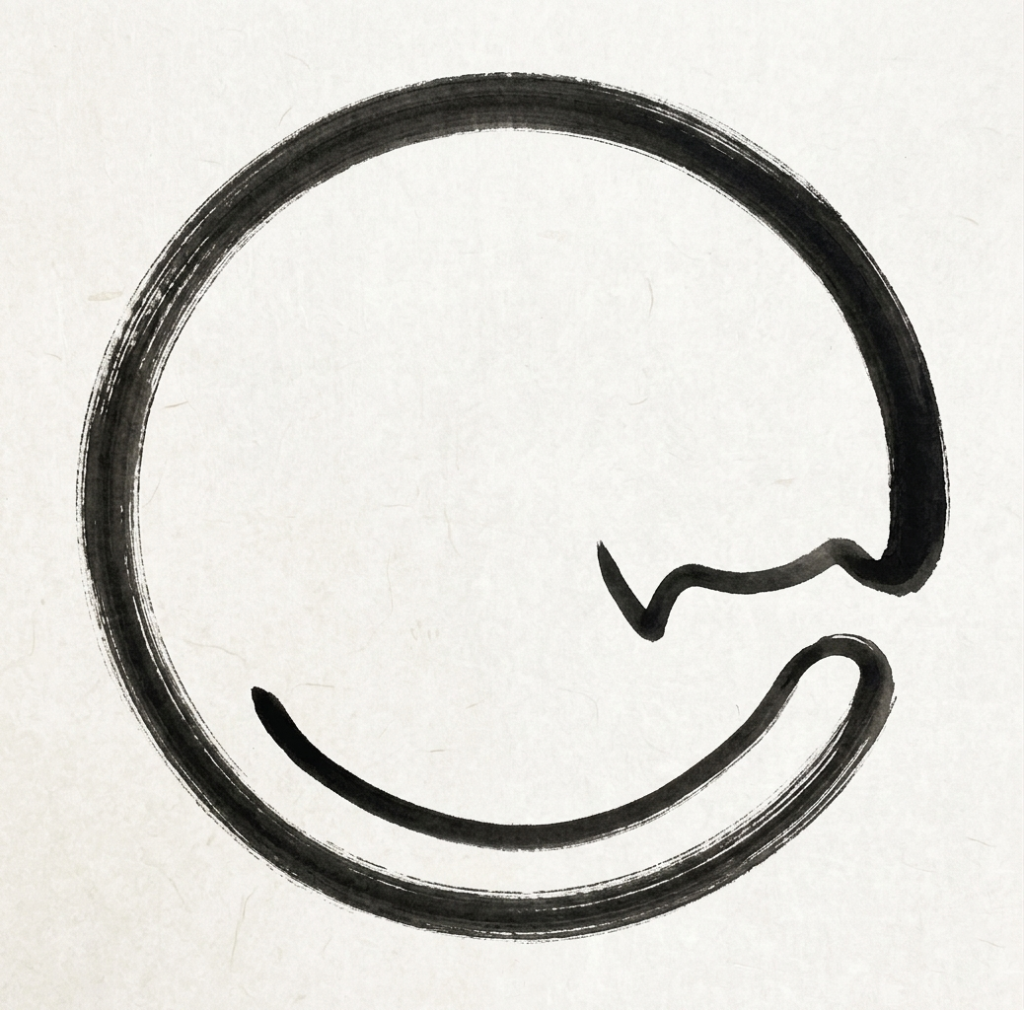
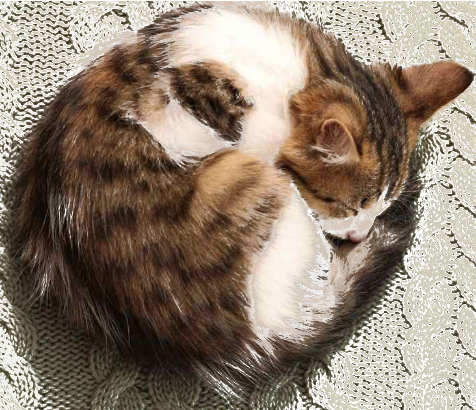
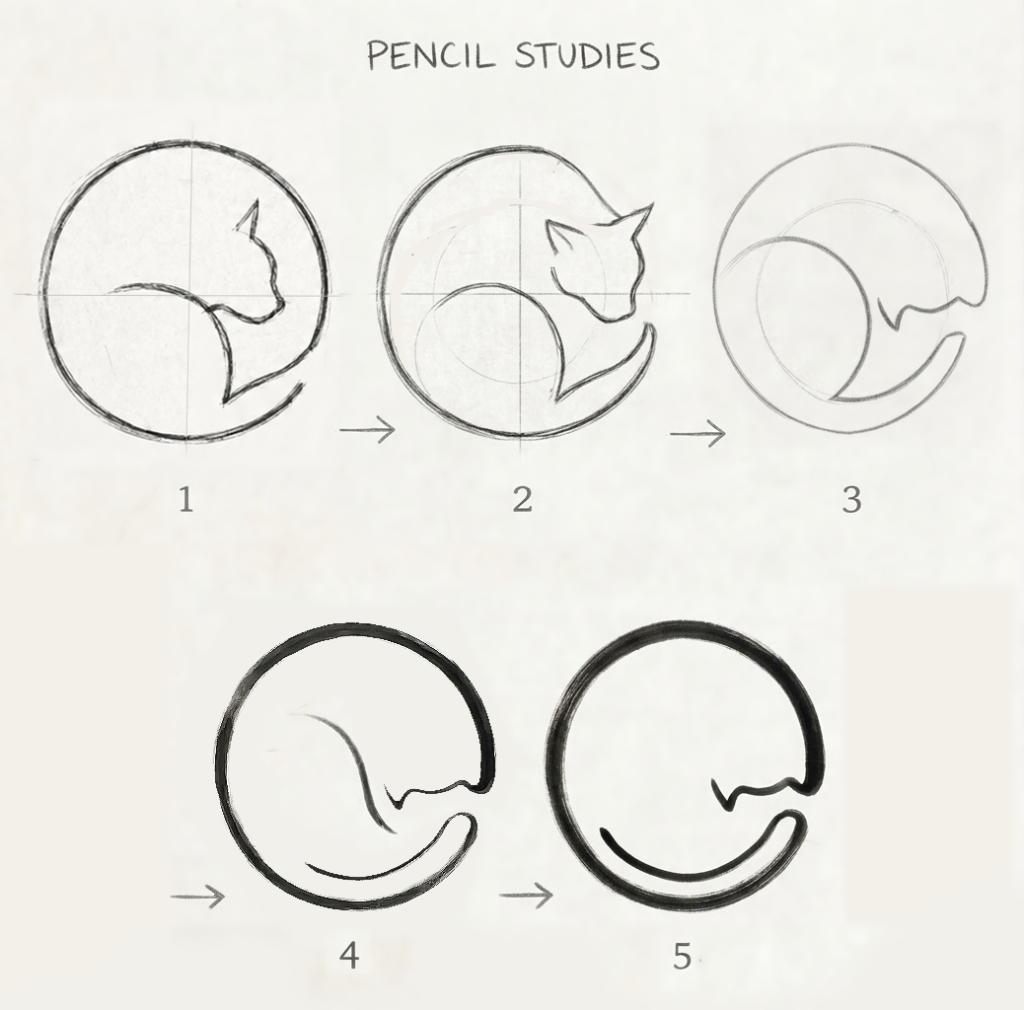
A Zen-inspired sumi-e unicursal brushstroke that gently evokes the silhouette of a sleeping cat.

sumi-e zen cat

A single brushstroke, almost nothing… and yet the mind completes the rest.
This Zen-inspired sumi-e line only hints at the presence of a sleeping cat, but the brain instinctively searches for form, balance, memory, and meaning within the void. A curve becomes a back, a pause becomes a head, an empty space becomes silence itself.

Minimal drawing works because perception is never passive. We do not simply “see” the world; we continuously reconstruct it from fragments. A few essential marks are enough for the imagination to awaken and project life into absence. The unfinished image invites the viewer to participate in its creation.

This is one of the quiet powers of strict minimalism: removing detail does not always diminish reality — sometimes it amplifies it. In sumi-e, what is omitted matters as much as what is painted. The void is not empty; it breathes. Perhaps that is why a simple unicursal stroke can feel strangely alive.

Art begins precisely there: at the threshold where perception, imagination, and silence meet.

Minimal Perception

I’ve always wondered about the limits of shape and color needed for us to represent or recognize an object. Take a stemmed glass, for example. To depict it, you might need just two circles and a straight line—and perhaps a red disc to suggest the wine inside.

But we can go further: by turning it from a flat image into a 3D form with a simple rotational movement, like in Duchamp’s rotoreliefs, the object suddenly comes alive in space.

All these graphic shortcuts rely on memory. Our brains interpret what we see based on past experience, filling in missing information and reconstructing the object from just a few essential cues. This process aligns with the principles of visual perception: the Gestalt laws of closure and continuity explain why we perceive a complete glass even when much of it is absent. Minimalist perception highlights how human cognition distills visual information, showing that a few simple shapes and colors are enough to evoke a rich, instantly recognizable image.

Duchamp rotoreliefs.