The Exposure of Time

Not so long ago, before the digital age, photographs were fixed on silver gelatin photographic paper. But there are other, far more powerful mediums capable of freezing a moment — sometimes even an entire civilization — in space and time: ash and forest.

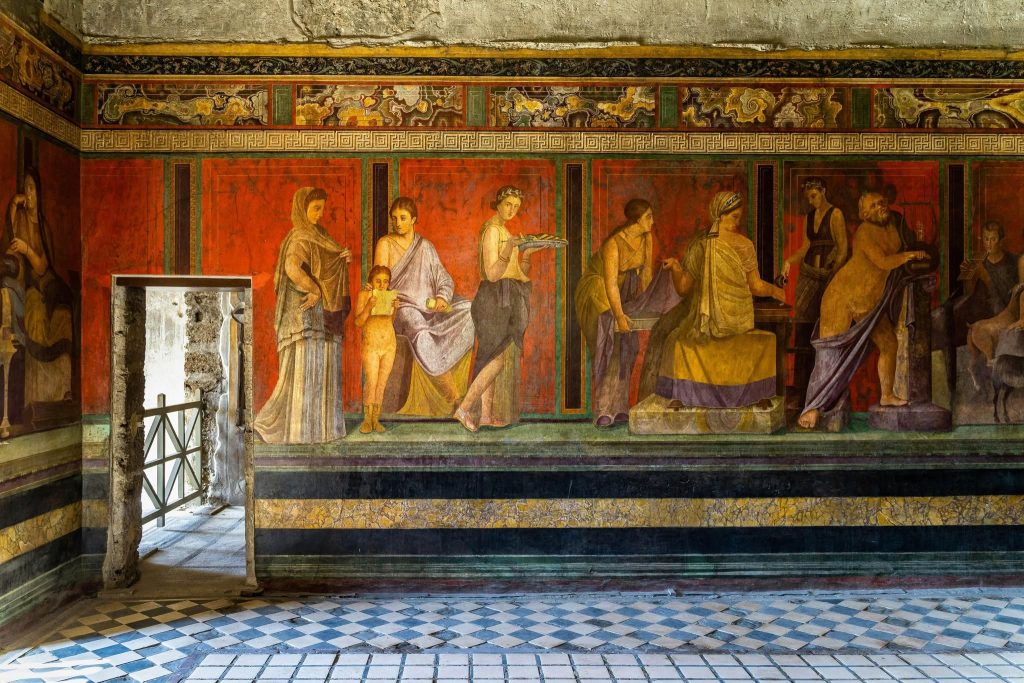
Take Pompeii. In AD 79, the eruption of Mount Vesuvius abruptly brought life in the city to a halt, burying its streets, houses, and inhabitants beneath volcanic debris. Pompeii became, in a sense, a three-dimensional photograph of a precise moment in time. Walking through its streets today, we can still see traces of everyday life interrupted: decorated houses, shops, familiar objects, inscriptions on the walls. Everything seems to tell us what was happening just moments before time stopped: the bustle of the streets, voices mingling, merchants calling out to passersby, children crying, lovers meeting away from prying eyes. As if all those lives had been imprinted in stone.

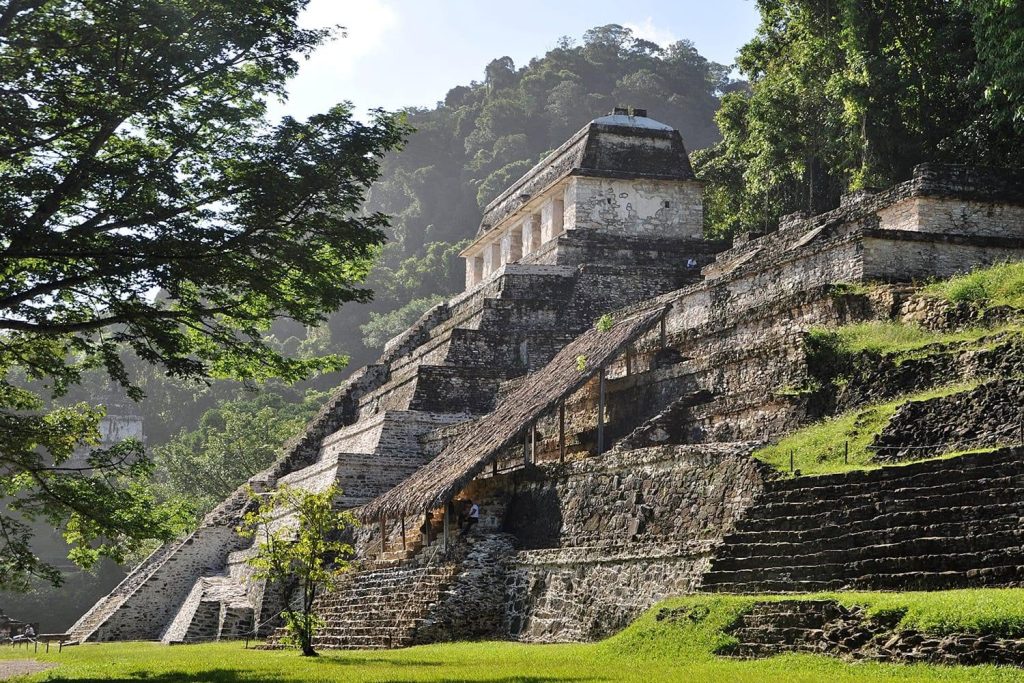
Then there are the Maya cities, such as Palenque. Here, the shutter seems to have worked much more slowly. It did not capture a single moment, but the gradual disappearance of an entire civilization. After the city was abandoned, the tropical forest slowly covered its temples, palaces, and plazas, until it almost completely absorbed them.

At Pompeii, ash stopped time. In the Maya cities, it was the forest that covered it.

Two very different ways of preserving the past: one through a sudden interruption, the other through the slow return of nature. In both cases, what we discover today bears a strange resemblance to a photographic image — except that here, the image is three-dimensional, and its frame is time itself.

And there is something quite extraordinary about that: time, which normally erases everything, has left an image behind. An image without film, without a camera, without a photographer.

And perhaps that is the most haunting photograph of all: one that no one ever took, but that time itself developed.
A Hidden Time Machine

We all carry within us a time machine—hidden in plain sight, right in the middle of our face. It may sound unlikely, but the NOSE is the only sensory organ capable of transporting us into the past without our even realizing it.

Our sense of smell activates memories like no other. A single scent can unlock a precise moment from childhood or early adulthood: the fragrance of oranges at Christmastime, melting snow during your first school field trip in winter, the scent of your sweetheart’s sweater the day you met, your grandmother’s simmering tomato sauce during Sunday lunches, the waxed floor of your grandparents’ house, school glue in primary class, the sunscreen of beachside summers, old book ink in the town library, the leather of your first satchel, or the aroma of fresh coffee at dawn when everyone else was still asleep…

The nose is a powerful trigger for nostalgia because the olfactory bulb, where smells are processed, is directly connected to the limbic system—the brain’s emotional and memory center. This close link allows smells to summon vivid memories, often with startling clarity, and sometimes, with them, an unexpected flood of emotions.

Each smell opens a door to a suspended instant—fragile, vivid. It’s an inward journey to a hidden past, a place buried deep, that suddenly bursts forth like a firework of nostalgia.

Each of us holds a palette of scents capable of bringing us back—suddenly, vividly—to a time that’s gone. Mine carries rustic, earthy tones: my maternal grandparents were farmers, and I spent much of my early childhood with them in the mountains of Irpinia.

I remember the sticky perfume of freshly harvested tobacco leaves, the white film of yeast clinging to wine grapes, the wild asparagus gathered by riverbanks, the unmistakable sweet scent of the ceuze—what we called mulberries in dialect—and the zenzifero, a local mint that gave ricotta ravioli its delicate fragrance…

I doubt I’ll ever stumble across those long-lost smells again—or perhaps they’re just dormant, waiting. But if they do return, that would be the most beautiful time travel I could ever hope for.

And you? What scents carry you away to other times, other worlds?

smell memory, nose