Not so long ago, before the digital age, photographs were fixed on silver gelatin photographic paper. But there are other, far more powerful mediums capable of freezing a moment — sometimes even an entire civilization — in space and time: ash and forest.
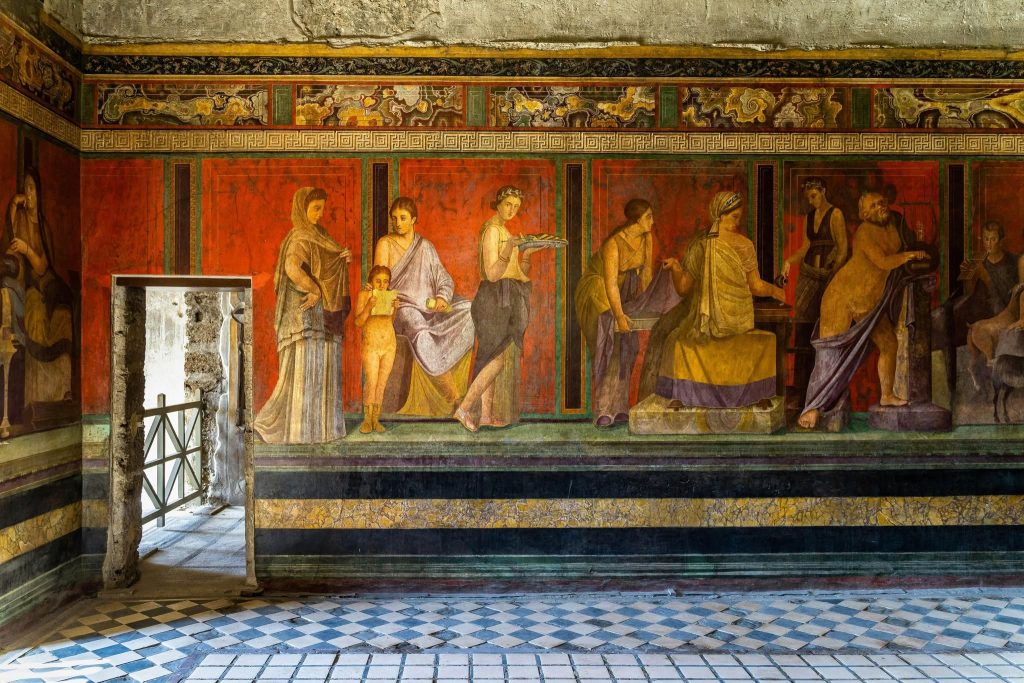
Take Pompeii. In AD 79, the eruption of Mount Vesuvius abruptly brought life in the city to a halt, burying its streets, houses, and inhabitants beneath volcanic debris. Pompeii became, in a sense, a three-dimensional photograph of a precise moment in time. Walking through its streets today, we can still see traces of everyday life interrupted: decorated houses, shops, familiar objects, inscriptions on the walls. Everything seems to tell us what was happening just moments before time stopped: the bustle of the streets, voices mingling, merchants calling out to passersby, children crying, lovers meeting away from prying eyes. As if all those lives had been imprinted in stone.
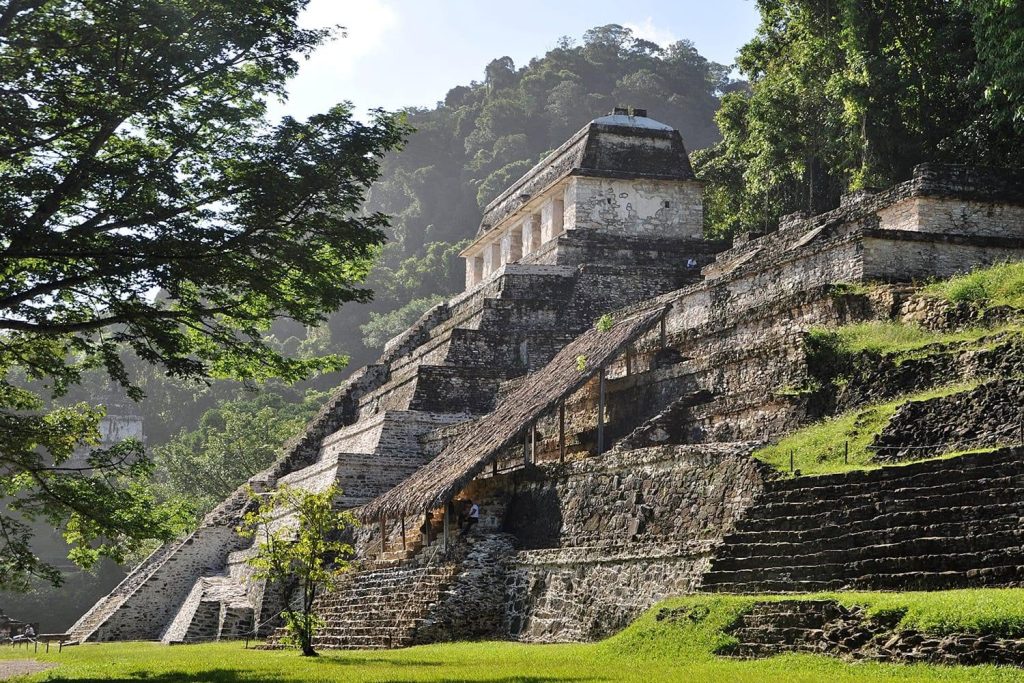
Then there are the Maya cities, such as Palenque. Here, the shutter seems to have worked much more slowly. It did not capture a single moment, but the gradual disappearance of an entire civilization. After the city was abandoned, the tropical forest slowly covered its temples, palaces, and plazas, until it almost completely absorbed them.
At Pompeii, ash stopped time. In the Maya cities, it was the forest that covered it.
Two very different ways of preserving the past: one through a sudden interruption, the other through the slow return of nature. In both cases, what we discover today bears a strange resemblance to a photographic image — except that here, the image is three-dimensional, and its frame is time itself.
And there is something quite extraordinary about that: time, which normally erases everything, has left an image behind. An image without film, without a camera, without a photographer.
And perhaps that is the most haunting photograph of all: one that no one ever took, but that time itself developed.