My optical art has been featured in the February issue of the German science magazine PM.
My Op Art in PM Magazine
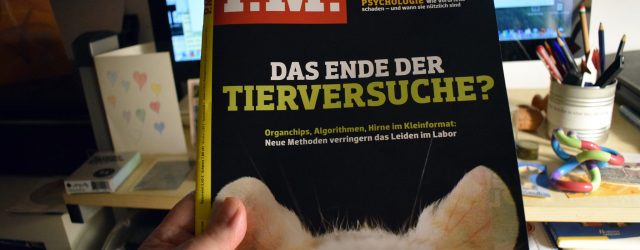

My optical art has been featured in the February issue of the German science magazine PM.


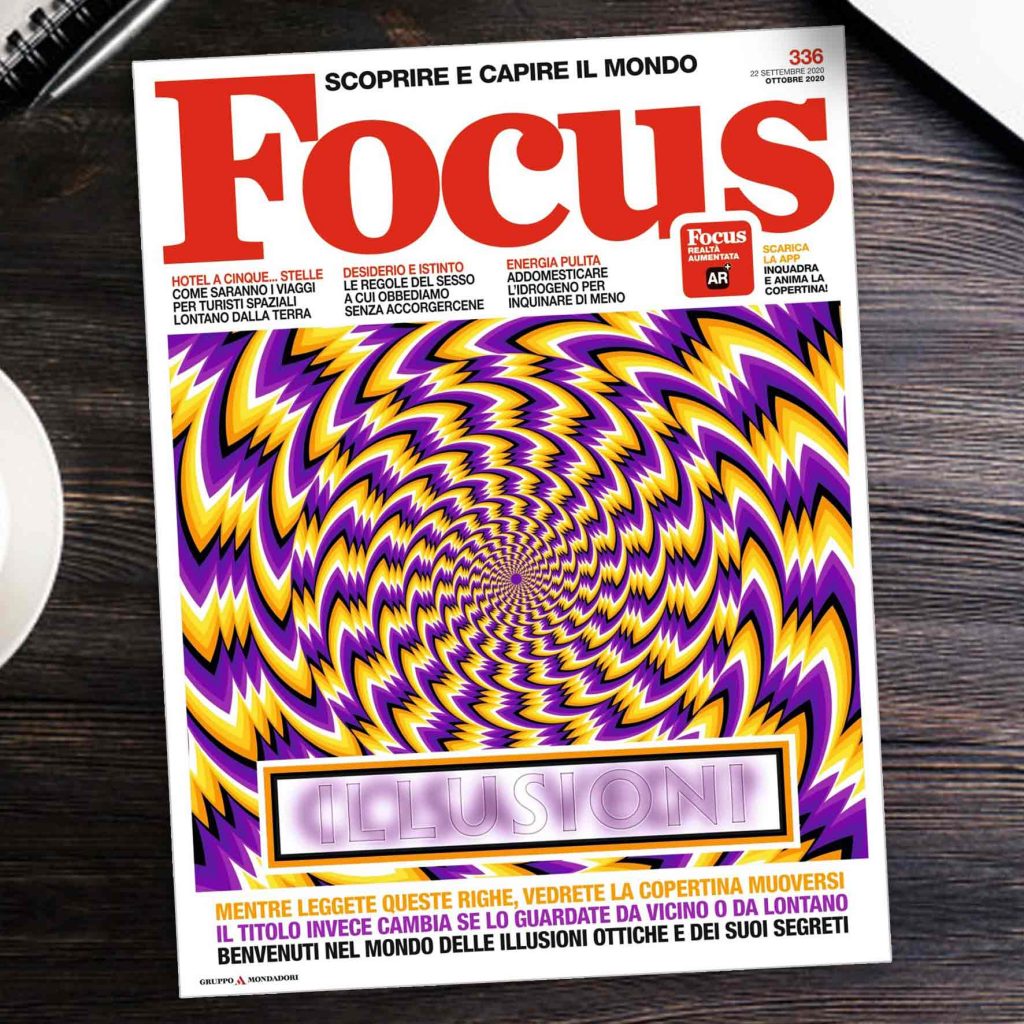
For over 10 years, I’ve had the pleasure of collaborating with Focus, an Italian monthly popular science magazine published in Milan.
In October 2020, Focus released issue #336, which featured my article and optical illusions. This special edition included a 10-page dossier on visual perception, showcasing over 13 original illusions I created, complete with explanations.
The cover of this issue also featured a unique effect I designed for Focus. As you read the main title, the cover image moves, and, intriguingly, the title changes depending on your perspective—read closely, and it says ILLUSIONI; look from a distance, and it transforms into COSA VEDI?
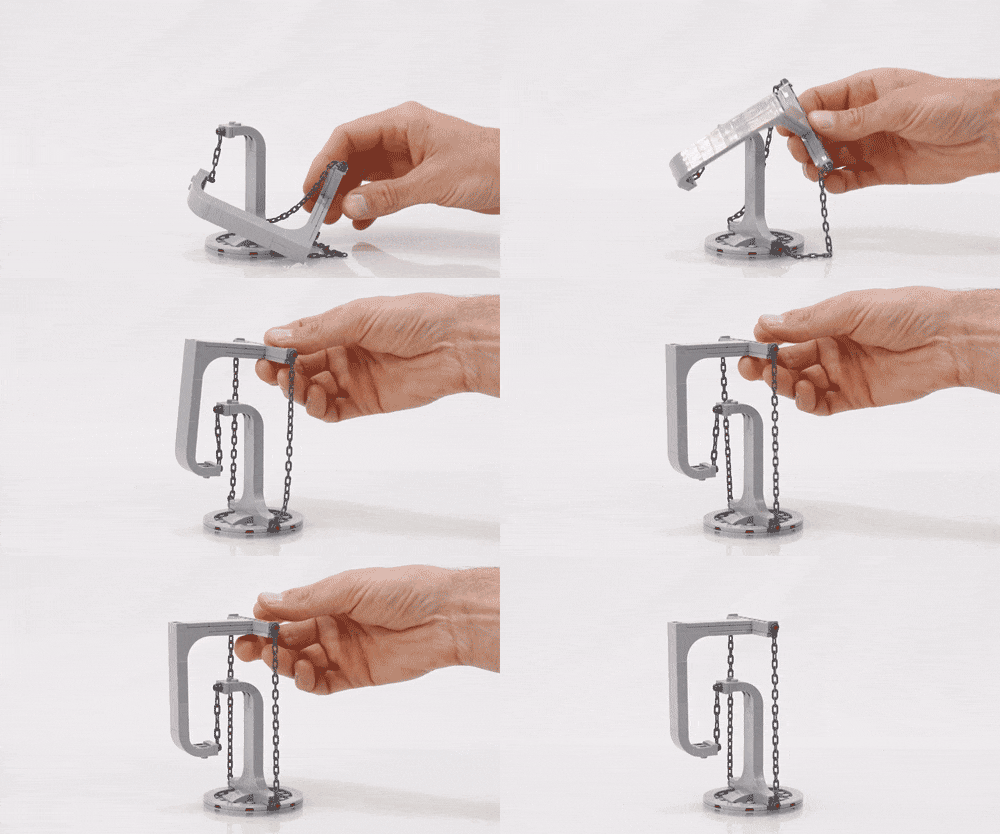
This table is sturdy and stable. And yes, the chains are ordinary chains. Here is the tutorial that explains how to create such a miracle.

Here is an animated example:
My autokinetic optic art will be presented and discussed in the German fashion magazine “Barbara” to be released on July 8.

Curiously enough, the cubes don’t move only the background color changes…

Here is my tutorial to create an amazing autokinetic animation.
Here is a neat optical illusion project I was commissioned by “Art of Play“. From one perspective, the grooves in the metal die-cut bookmark seem to be an abstract design but place the pattern against a solid background and a familiar figure pops into view!
Available from: https://www.artofplay.com/products/einstein-bookmark


Our visual system can interpret colors and shades in surprising ways. This 3×3 Tic-Tac-Toe grid, for example, showcases how easily our perception of brightness can be fooled.
Do you notice anything unusual in the grid below?

The looping animation below brings the illusion to life, revealing the trick in action. That large green square behind the grid isn’t actually uniform—it’s made up of alternating dark and light green squares. Our visual system works like a “comparative computer”. In fact, we never see colors in isolation, as the appearance of any color is affected by the colors surrounding it. So, under certain conditions, colors that are identical may appear different, while colors that are different may look the same. In our visual system there is a mechanism that enhances the contrast of the outline of an object relative to its background: it is called “lateral inhibition”.
Show / Hide the Trick
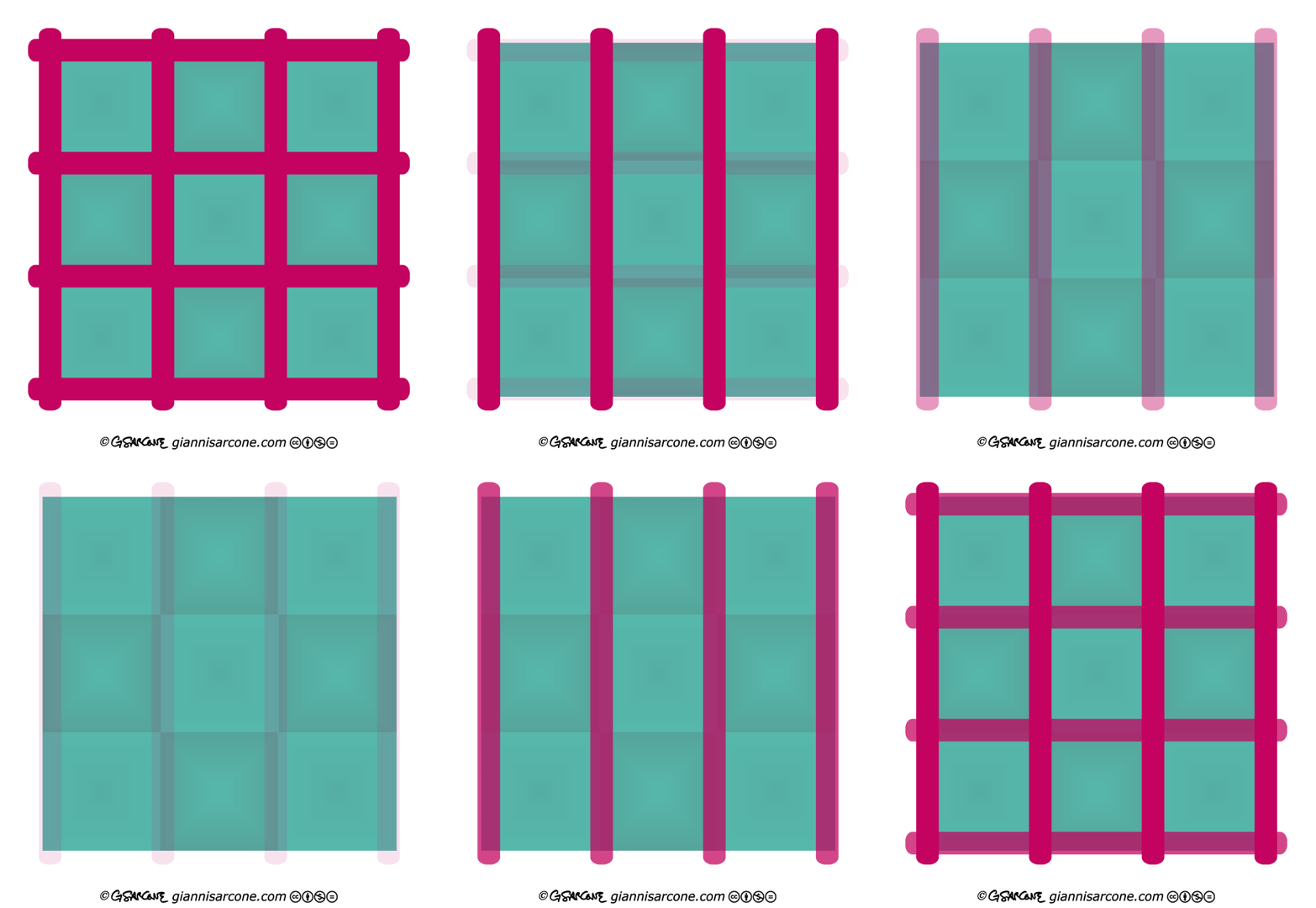
Thus, even small differences in brightness between adjacent zones, or objects, are deliberately increased by our visual system and the brain to better distinguish them. But something strange happens when the brightness boundaries of the color zones are concealed: the cues the brain needs to trigger the lateral inhibition no longer exist and consequently we become blind to variations in color brightness, as shown in the animated gif.
Recognitions
My optical illusion “Magic Tic-Tac-Toe” has been chosen to be among the top 10 finalists for the “2019 Best Illusion of the Year Contest”
Which direction is the rotation? Some spokes appear to rotate CW while the disc rotates CCW.

More from: https://www.archimedes-lab.org/page17b.html
Paper cutting & Motion


Order now your exclusive “Illusion d’Optique” playing card deck designed by illusion Master Gianni A. Sarcone!
Packaging printed with optical ink and placed in a protective transparent plastic case.
54 eye-popping optical illusions to play and to experiment with!
Continue Reading