
Many people believe that a book’s title is born directly from the author’s brilliant mind. Cute idea… but often completely wrong.
In reality, titles are frequently chosen by publishers — and, above all, by their marketing teams, who sometimes treat a book title like a product label rather than a piece of literature.
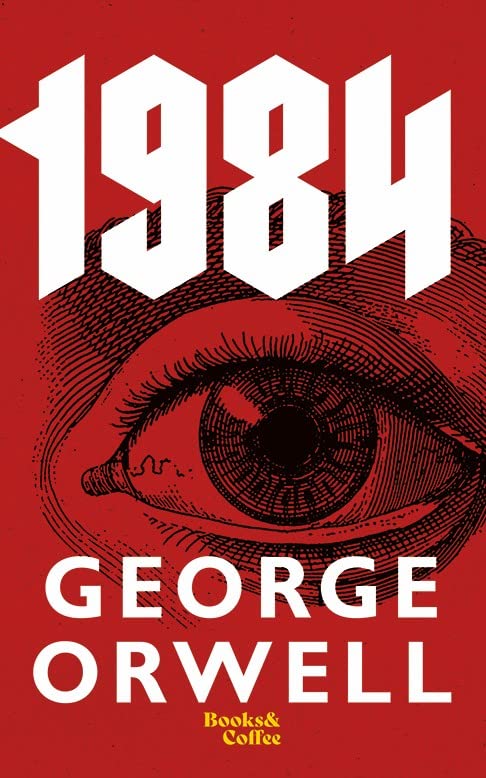
Take one of the most famous titles of the 20th century: 1984 by George Orwell, the great English political writer. When Orwell wrote the novel in 1948, its working title was The Last Man in Europe. His publisher found it a little too gloomy and uninspiring, suggested reversing the last two digits of the current year, and voilà: 1984 was born.
Not a bad decision. That “commercial” title went on to become a cultural landmark, and many ideas and expressions from the book are still part of today’s political vocabulary.
As an author, I’ve often had to fight battles to prevent publishers from giving my books painfully dull — or downright silly — titles. One of my books, for example, was given the wonderfully imaginative title Optical Illusions by the publisher. A title so original it could probably hide in a crowd of a thousand other books.
And yet… this “masterpiece of originality” went on to win the Royal Society Young People’s Book Prize for the best science book for children.
Yes, yes. Sometimes even a boring title can carry a surprising little trick inside.