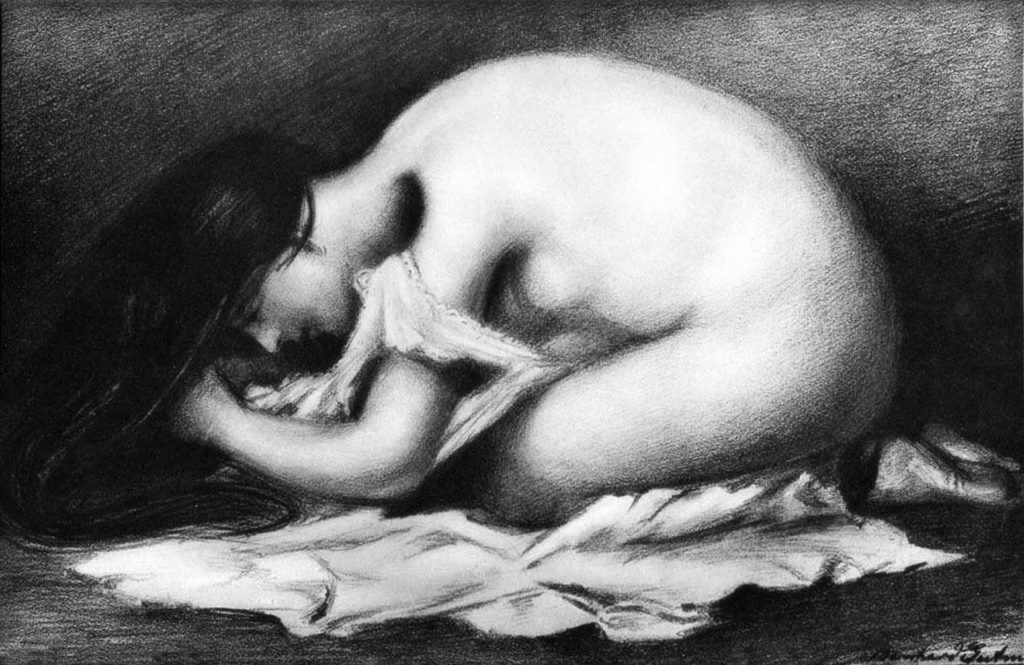
If there truly were a God, He would not promise eternal life. It would not be a reward but the most exquisite form of punishment. Hell may not be fire at all. It may simply be time that never ends.
What surprises me is how few believers seem to have stopped and asked what eternal life would actually mean for a mortal being. We long for immortality without ever considering its consequences, as though anything infinite must also be desirable.
Death is not merely the end of life; it is what gives life its shape. Without a horizon, there is no journey. Without an ending, there is no story. Life may have no inherent meaning, yet it is precisely its fragility that gives it value.
Eternity, by contrast, is an idea that would drive any intelligent mind to madness. Our lives are built around transitions. We leave childhood behind, then adolescence, then middle age. At every stage, part of us dies so that another version can emerge. We are never quite the same person twice. Death is simply the final transition, perhaps the only one that truly completes the narrative.
Mentally healthy people do not wish to live forever. They simply hope to live well, and for as long as it makes sense. Not to accumulate centuries, but to have enough time to do what matters to them, and then look back without feeling that everything important was endlessly postponed.
Eternity destroys urgency. Why create today what can always be created tomorrow? Why love now, travel now, write now, learn now, or take risks, if tomorrow never stops arriving? Infinity drains every moment of its value. It replaces desire with procrastination, curiosity with habit, and life with endless repetition.
We do not fear death as much as we fear leaving behind what we love. Yet perhaps death is what saves life from becoming meaningless. Without it, all that would remain is an eternity so vast that, in the end, it would erase even the memory of what it once meant to be alive.